
Norse Mythology by Neil Gaiman: A Comprehensive Overview
Neil Gaiman’s Norse Mythology offers a readily accessible entry point, with numerous sources attempting to provide a free PDF download of the text․
Be cautious when seeking a Norse Mythology PDF, ensuring legitimacy to avoid potential malware or copyright infringement issues when accessing Neil Gaiman’s work․
Several online platforms host flipbooks and previews, while legitimate ebook options are widely available for purchase, offering a convenient way to enjoy the tales․
Neil Gaiman’s Norse Mythology serves as a captivating and remarkably accessible retelling of the classic myths, drawing readers into the vibrant world of the Norse gods․ The book’s popularity has, unsurprisingly, fueled a significant demand for a Norse Mythology PDF version, as fans eagerly seek convenient access to Gaiman’s masterful storytelling․ However, potential readers should exercise caution when searching for a free PDF download, as numerous illegitimate sources exist online, posing risks of malware or copyright violations․
Gaiman’s approach distinguishes itself by presenting these ancient tales with a contemporary voice, making them engaging for both seasoned mythology enthusiasts and newcomers alike․ He doesn’t simply rehash the myths; he breathes new life into them, crafting a narrative that feels both timeless and remarkably fresh․ The book’s structure follows a chronological order, beginning with the creation of the worlds and progressing through the adventures and eventual fates of the gods, culminating in Ragnarök․ This accessible format, combined with Gaiman’s lyrical prose, has cemented Norse Mythology as a modern classic․
The Author: Neil Gaiman and His Fascination with Mythology
Neil Gaiman’s enduring fascination with mythology is a cornerstone of his literary career, profoundly influencing works like Sandman and American Gods, paving the way for Norse Mythology․ His exploration of these ancient narratives isn’t merely academic; it’s a deeply personal and creative engagement․ The demand for a Norse Mythology PDF reflects his broad appeal and the accessibility he brings to complex subjects․
Gaiman’s previous ventures into Norse themes, particularly within the Sandman comics, showcased his ability to seamlessly integrate these gods and stories into modern contexts․ This established a foundation for his standalone retelling․ He wasn’t simply adapting myths; he was demonstrating a long-held understanding and appreciation for their power and resonance․ His editor, Amy Cherry, recognized this passion, prompting the creation of this dedicated work․ Gaiman’s skill lies in making these ancient figures relatable, even while acknowledging their otherworldly nature․
Gaiman’s Previous Exploration of Norse Themes
Before directly tackling Norse mythology in his dedicated work, Neil Gaiman extensively incorporated these themes into his celebrated Sandman comic series․ Odin, Thor, and Loki appeared as significant characters, woven into the intricate plots and philosophical explorations central to the series․ This wasn’t a fleeting interest; it was a sustained engagement with the Norse pantheon, demonstrating a deep understanding of their lore and personalities․ The subsequent interest in a Norse Mythology PDF demonstrates the lasting impact of these early portrayals․
Furthermore, his award-winning novel, American Gods, also featured Norse gods prominently, albeit within a contemporary American setting․ This showcased Gaiman’s talent for reimagining ancient deities in modern contexts, highlighting their continued relevance․ These earlier works served as a proving ground, refining his approach and building anticipation for a more focused exploration, ultimately leading to the creation of the book itself․
Content and Structure of the Book
Neil Gaiman’s work masterfully retells classic Norse myths, offering accessible narratives while maintaining the spirit of the original tales, despite PDF availability․
Retelling of Classic Norse Myths
Neil Gaiman doesn’t simply rehash ancient stories; he breathes new life into them, crafting a compelling and remarkably readable rendition of Norse mythology․ While unauthorized PDF versions circulate online, the true artistry lies in Gaiman’s narrative choices․ He focuses on key myths – the creation of the worlds, the adventures of Odin and Thor, and the eventual doom of Ragnarök – presenting them with a modern sensibility․
He skillfully balances faithfulness to the source material with a contemporary voice, making these age-old tales accessible to a wider audience․ The book isn’t a scholarly treatise, but rather a vibrant retelling designed to entertain and engage․ Gaiman’s approach emphasizes the dramatic and often humorous aspects of the myths, highlighting the flawed and relatable nature of the gods themselves․ Even with readily available digital copies, the author’s style shines through․
The structure is episodic, allowing readers to dip into individual stories without needing extensive prior knowledge․ This makes it an excellent starting point for anyone curious about Norse mythology, regardless of whether they encounter it through a purchased copy or a freely distributed PDF․
Focus on Key Gods and Goddesses
Neil Gaiman’s Norse Mythology centers on the prominent figures of the Norse pantheon, offering intimate portraits of their personalities and exploits․ While seeking a PDF version might be tempting, the book’s strength lies in its character development․ Odin, the Allfather, is depicted as a cunning and relentless seeker of wisdom, while Thor embodies strength and a somewhat naive heroism․
Loki, the trickster god, receives significant attention, portrayed not merely as a villain but as a complex and often sympathetic figure․ Gaiman delves into their relationships, rivalries, and motivations, revealing the intricate dynamics within Asgard․ The book doesn’t attempt an exhaustive catalog of every deity, but rather focuses on those central to the most compelling narratives․
Even in unauthorized PDF copies, the author’s nuanced portrayals resonate․ He humanizes these powerful beings, showcasing their flaws and vulnerabilities alongside their godlike abilities, making them relatable and captivating․
Odin: The Allfather
Neil Gaiman’s portrayal of Odin in Norse Mythology transcends the typical image of a benevolent patriarch․ Even within a potentially illicit PDF download, his depiction shines․ Odin is presented as a relentless pursuer of knowledge, sacrificing an eye for wisdom and hanging himself on Yggdrasil to decipher the runes․ This demonstrates a willingness to endure immense suffering for understanding;
Gaiman emphasizes Odin’s cunning and manipulative nature, showcasing his strategic planning and foresight․ He’s not simply powerful; he’s profoundly intelligent and driven․ The Allfather’s complex character is revealed through his interactions with other gods and his constant preparations for Ragnarök․
Despite his wisdom, Odin isn’t infallible, making him a compelling and relatable figure, even when encountered through unofficial PDF sources․ His ambition and flaws are central to his character․
Thor: God of Thunder
Neil Gaiman’s depiction of Thor in Norse Mythology, whether experienced through a legitimate purchase or a sought-after PDF, steers away from the modern superhero archetype․ He portrays Thor as powerfully built and immensely strong, yes, but also surprisingly quick-tempered and somewhat naive․ This Thor isn’t always the wisest of the gods, often relying on brute force and direct action․
Gaiman highlights Thor’s unwavering loyalty and protective nature, particularly towards Midgard (Earth)․ His battles against giants and monsters are vividly recounted, showcasing his role as a defender of humanity․ However, the author doesn’t shy away from portraying Thor’s occasional arrogance and impulsiveness․
Even within a downloaded PDF, the narrative emphasizes Thor’s essential goodness and his crucial role in maintaining cosmic balance, making him a beloved and enduring figure․
Loki: The Trickster God
Neil Gaiman’s portrayal of Loki, readily available within the pages of Norse Mythology – or through a carefully sourced PDF – is arguably one of the book’s most compelling aspects․ He isn’t simply a villain; Gaiman presents Loki as a complex character, a shapeshifter whose motives are often ambiguous and driven by mischief rather than malice․
Loki’s cunning and wit are consistently highlighted, often causing chaos and disruption amongst the gods․ While his actions frequently have negative consequences, Gaiman imbues him with a certain charm and intelligence that makes him strangely sympathetic․ He’s a catalyst for events, a necessary element in the unfolding of fate․
Even when accessing the stories via a PDF, the narrative showcases Loki’s pivotal role in the eventual Ragnarök, solidifying his place as a crucial, if unpredictable, figure in Norse cosmology․
Gaiman’s Narrative Style and Accessibility
Neil Gaiman’s strength lies in his ability to render ancient myths accessible to a modern audience, a quality consistently present whether reading a physical copy of Norse Mythology or a digitally accessed PDF․ He avoids overly academic language, opting instead for a conversational and engaging tone that draws the reader into the world of the gods․
Gaiman doesn’t shy away from the darker aspects of the myths, but he presents them with a sensitivity and nuance that prevents them from becoming gratuitous․ His storytelling feels both timeless and immediate, breathing new life into these age-old tales;
Even a PDF version retains this stylistic charm, allowing readers to experience Gaiman’s unique voice and perspective on Norse mythology with ease and enjoyment․
Availability and Formats
Norse Mythology by Neil Gaiman is widely available in physical, ebook, and PDF formats, though caution is advised when seeking free PDF downloads․
Norse Mythology PDF: Finding Legitimate Downloads
Finding a legitimate PDF version of Neil Gaiman’s Norse Mythology requires careful navigation, as numerous websites offer downloads that may be illegal or contain malware․ While the desire for a free PDF is understandable, prioritizing safety and respecting copyright is crucial․
Many unofficial sources circulate online, but these often compromise security․ Instead, consider exploring legal ebook retailers like Amazon Kindle, Google Play Books, or Kobo, which frequently offer promotional pricing or subscription services granting access to the book․ W․W․ Norton, the publisher, does not directly offer a free PDF․
Beware of sites promising instant downloads; these are often scams․ Checking for secure website connections (HTTPS) and verifying the source’s reputation before downloading anything is essential․ Remember, supporting authors by purchasing their work ensures continued creativity and quality content․ Legitimate access guarantees a safe and enjoyable reading experience․
Ebook Availability and Platforms
Neil Gaiman’s Norse Mythology is widely available as an ebook across numerous platforms, offering convenient access beyond physical copies․ Major retailers like Amazon Kindle, Kobo, and Google Play Books all feature the title, often with competitive pricing and promotional offers․ These platforms allow readers to instantly download and begin reading on their preferred devices – smartphones, tablets, or e-readers․
Subscription services, such as Kindle Unlimited, may also include Norse Mythology in their catalog, providing access for a monthly fee․ Platforms like Scribd sometimes host ebooks, but availability can vary․ Checking specific platform libraries is recommended․ While a free PDF is tempting, purchasing through authorized channels supports the author and ensures a quality reading experience․
Flipbook websites, like those found through a search, offer previews but aren’t substitutes for full ebook access․

Physical Book Editions and Collectibles
While the allure of a Norse Mythology PDF exists, many readers prefer the tactile experience of a physical book․ Neil Gaiman’s work is available in various editions, including hardcover, paperback, and occasionally, special collector’s editions․ First editions and signed copies can become highly sought-after collectibles, increasing in value over time․
W․W․ Norton, the original publisher, offers standard editions, while independent bookstores often carry unique variations․ Online marketplaces like eBay and Abebooks are excellent resources for locating rare or out-of-print editions․ Checking book collecting websites can provide insights into identifying valuable copies․
The physical book provides a beautiful object alongside the captivating stories, offering a different experience than a digital download․ Consider the edition’s condition and provenance when assessing its collectibility․
Reception and Impact
Despite the availability of a Norse Mythology PDF, the book garnered critical acclaim and widespread popularity, influencing modern fantasy and captivating readers globally․
Critical Acclaim and Awards
Neil Gaiman’s Norse Mythology was met with overwhelmingly positive reviews upon its release, solidifying his reputation as a masterful storyteller and interpreter of myth․
Critics lauded Gaiman’s accessible yet respectful retelling of the ancient Norse tales, praising his ability to breathe new life into familiar narratives while maintaining their original power and complexity․
While the book itself hasn’t garnered specific, major literary awards like the Hugo or Nebula, its success is evidenced by consistent bestseller status and inclusion on numerous “best of” lists․
The widespread search for a Norse Mythology PDF demonstrates the book’s immense popularity and cultural impact, indicating a broad readership eager to engage with Gaiman’s interpretation․
Reviewers consistently highlighted Gaiman’s distinctive narrative voice and his skill in crafting compelling characters, even within the framework of well-known mythological figures․
The book’s critical success further cemented Gaiman’s position as a leading voice in contemporary fantasy literature․
Reader Reviews and Popularity
Norse Mythology by Neil Gaiman enjoys widespread popularity, evidenced by consistently high ratings and enthusiastic reviews across various online platforms․
Readers frequently praise Gaiman’s engaging writing style, noting how he makes the complex world of Norse mythology accessible and captivating for both newcomers and seasoned enthusiasts․
The significant online interest in finding a Norse Mythology PDF underscores the book’s broad appeal and desire for convenient access to Gaiman’s work․
Many reviewers appreciate Gaiman’s respectful treatment of the source material, acknowledging his ability to honor the original myths while adding his unique literary flair․
Common themes in reader feedback include the book’s humor, emotional depth, and thought-provoking exploration of universal themes like fate, free will, and the nature of divinity․
The book’s enduring popularity demonstrates Gaiman’s continued ability to connect with readers on a profound level․
Influence on Modern Fantasy Literature
Neil Gaiman’s Norse Mythology has demonstrably impacted contemporary fantasy, building upon his earlier work like American Gods, which already heavily featured Norse deities․
The book’s success has spurred renewed interest in Norse mythology within the fantasy genre, inspiring authors to incorporate these rich narratives and characters into their own creations․
The accessibility of Gaiman’s retelling, even through widely sought Norse Mythology PDF versions, has broadened the audience familiar with these ancient tales․
His approach—a blend of reverence and creative license—has encouraged other writers to reimagine mythology in fresh and compelling ways․
The book’s focus on character-driven narratives and thematic depth has influenced a shift towards more nuanced and psychologically complex fantasy storytelling․
Gaiman’s work serves as a potent example of how mythology can be revitalized and reinterpreted for modern audiences, shaping the landscape of modern fantasy․

Themes and Interpretations
Neil Gaiman’s retelling, even in Norse Mythology PDF form, explores fate versus free will, creation’s cycle, and the complex relationship between gods and humanity․
Fate and Free Will in Norse Mythology
Neil Gaiman’s Norse Mythology, whether experienced through the physical book or a PDF version, deeply explores the tension between predetermined fate and the agency of gods and mortals․
The Norse worldview, as presented by Gaiman, is steeped in the concept of wyrd – a web of fate woven by the Norns․ Characters often struggle against prophecies, yet their attempts to circumvent destiny frequently fulfill it, highlighting a cyclical and inescapable pattern․
However, Gaiman doesn’t portray the gods as mere puppets․ Loki, in particular, embodies a chaotic force that disrupts the established order, suggesting a degree of free will, even if it leads to catastrophic consequences․ Odin’s relentless pursuit of knowledge, even at great personal cost, also demonstrates a desire to understand and potentially influence fate․
The accessibility of these themes, even within a readily available Norse Mythology PDF, allows readers to contemplate the age-old question of whether our lives are predetermined or if we truly have the power to shape our own destinies․
The Cycle of Creation and Destruction
Neil Gaiman’s retelling, accessible even through a Norse Mythology PDF, vividly portrays the Norse cosmos as governed by a relentless cycle of creation, preservation, and ultimate destruction – Ragnarök;
The initial creation from the primordial void of Ginnungagap, followed by the birth of the gods and the shaping of Midgard, establishes a world destined for eventual ruin․ This isn’t viewed as a tragic end, but rather as a necessary precursor to rebirth and renewal․
Gaiman emphasizes that Ragnarök isn’t simply annihilation; it’s a transformative event․ While many gods perish, a new world emerges from the ashes, populated by the descendants of a select few․ This cyclical nature underscores a core tenet of Norse belief – that endings are inherently linked to beginnings․
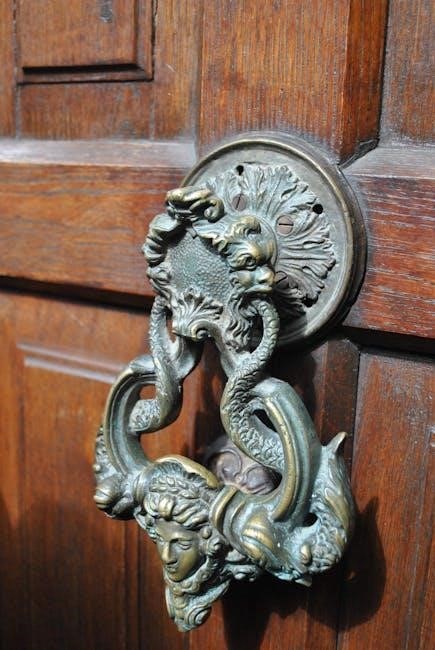
Even when accessing the myths via a digital PDF, the power of this recurring motif – the inevitable fall and subsequent rise – resonates deeply, offering a unique perspective on existence․
The Nature of Gods and Humanity
Neil Gaiman’s Norse Mythology, whether experienced through a physical copy or a Norse Mythology PDF, presents a fascinatingly nuanced portrayal of the gods, far removed from idealized perfection․ They are powerful, certainly, but also flawed, prone to trickery, and driven by very human desires – love, jealousy, and a thirst for power․
This isn’t a stark separation between divine and mortal realms․ The gods frequently interact with humans, sometimes aiding them, other times exploiting them․ Humanity, in turn, isn’t depicted as inherently weaker, but as possessing courage, resilience, and a capacity for both great good and terrible evil․
Gaiman highlights the gods’ mortality, particularly in the face of Ragnarök, blurring the lines between their immortality and human fragility․ Even accessing the stories through a PDF, this relatable imperfection makes the Norse pantheon uniquely compelling․

Resources and Further Reading
Explore academic studies alongside Neil Gaiman’s work, and related texts; be wary of unofficial Norse Mythology PDF sources online for legitimacy;
Online Resources for Norse Mythology
Numerous websites delve into the rich tapestry of Norse mythology, offering valuable context for readers of Neil Gaiman’s retelling․ However, caution is paramount when searching for a Norse Mythology PDF download, as many sources are illegitimate and potentially harmful․
Reputable resources include academic databases and websites dedicated to folklore and mythology, providing scholarly articles and translations of original Norse texts․ Several online encyclopedias offer detailed entries on Norse gods, creatures, and cosmological beliefs․ Be mindful of copyright restrictions when accessing materials online․
While finding a free, legal PDF of the complete book can be challenging, many websites offer excerpts and previews․ Platforms like Project Gutenberg may host related texts, such as the Prose Edda and Poetic Edda, which are foundational to understanding the myths Gaiman reimagines․ Always prioritize legitimate sources to support authors and ensure the accuracy of information․
Remember to cross-reference information from multiple sources to gain a comprehensive understanding of this fascinating mythology․
Related Works by Neil Gaiman
Neil Gaiman’s fascination with mythology extends far beyond Norse Mythology, deeply influencing his broader body of work․ Notably, his acclaimed novel American Gods (2001) intricately weaves Norse deities – Odin, Thor, and Loki – into a contemporary American landscape, exploring their relevance in the modern world․
Prior to that, Gaiman’s groundbreaking Sandman comic book series frequently incorporated Norse figures, showcasing his early exploration of these myths․ These appearances weren’t mere cameos; they were integral to complex storylines and character development․
While a Norse Mythology PDF provides a focused entry point, understanding these earlier works reveals the evolution of Gaiman’s engagement with Norse lore․ Exploring American Gods offers a broader, more nuanced perspective, while Sandman demonstrates his innovative storytelling approach․ These interconnected narratives enrich the reading experience and highlight Gaiman’s masterful skill in mythic reimagining․
Academic Studies of Norse Mythology and Gaiman’s Work
Scholarly analysis of Neil Gaiman’s Norse Mythology often centers on his accessibility and impact on popularizing the myths for a contemporary audience․ Researchers examine how Gaiman’s narrative choices – simplification, character focus, and modern language – differ from traditional sagas and Eddas․
Studies also explore the implications of seeking a Norse Mythology PDF, considering issues of copyright, digital access, and the potential for misinterpretation of source material․ The proliferation of unofficial digital copies raises questions about textual authority and scholarly rigor․
Furthermore, academic discourse investigates Gaiman’s broader engagement with mythology, linking Norse Mythology to American Gods and Sandman, analyzing his consistent themes of belief, storytelling, and the enduring power of myth in shaping culture and identity․