
Bosch Classixx Washing Machine Manual: A Comprehensive Guide
Welcome! This manual unlocks your Bosch Classixx’s potential, detailing installation, operation, and maintenance. Explore features for seamless use, ensuring optimal performance and longevity of your appliance.
Understanding Your Bosch Classixx Model
Congratulations on selecting a Bosch Classixx washing machine! This series is renowned for its reliability, efficiency, and innovative features designed to simplify your laundry routine. Your specific model, whether it’s a 61200 Express or another variant, incorporates advanced technology to deliver exceptional cleaning performance while minimizing water and energy consumption.
The Classixx range caters to diverse needs, offering various capacities and program options. Before diving into operation, familiarize yourself with the model number located on the machine’s rear panel or within the door frame. This number is crucial for accessing specific support resources and downloading tailored documentation. Understanding your model’s capabilities – from delicate washes to intensive stain removal – will maximize its effectiveness and ensure optimal garment care. This manual serves as your guide to unlocking the full potential of your Bosch Classixx washing machine.
Identifying Key Components
Let’s familiarize ourselves with the essential parts of your Bosch Classixx washing machine. The control panel, featuring the program dial and display, is your primary interface. The detergent dispenser, typically divided into compartments for pre-wash, main wash, and fabric softener, ensures accurate dosing. The washing machine drum, constructed from durable materials, houses your laundry during the wash cycle.
Locate the door seal (gasket), crucial for preventing leaks, and regularly inspect it for damage. The filter, usually situated at the front bottom of the machine, traps lint and debris. The water inlet hoses connect to your water supply, while the drain hose expels wastewater. Understanding the function of each component is vital for proper operation and maintenance. Refer to diagrams within this manual for precise locations and detailed illustrations of each key part of your Bosch Classixx washing machine.
Safety Precautions & Warnings
Prioritize safety when operating your Bosch Classixx washing machine; Always disconnect the appliance from the power supply before cleaning or performing maintenance. Never attempt to repair the machine yourself; contact authorized service personnel. Keep children and pets away from the washing machine during operation.
Do not overload the machine, as this can cause damage and affect performance. Ensure the water inlet and drain hoses are securely connected to prevent leaks. Avoid using flammable liquids or solvents near the appliance. Inspect the power cord regularly for damage and replace if necessary. Read all warnings and instructions in this manual before use. Improper installation or operation can pose risks. This appliance is intended for household use only. Ignoring these precautions may result in injury or damage.
Initial Setup and Installation
Before using your Bosch Classixx washing machine, ensure proper setup and installation. First, remove all packaging materials and transport bolts from the rear of the appliance – these are crucial for safe operation. Position the machine on a level, stable surface, adjusting the feet if necessary to eliminate wobble.
Connect the water inlet hose to a cold water supply, ensuring a tight seal to prevent leaks. Attach the drain hose securely to a suitable drainpipe or sink, following local plumbing codes. Plug the power cord into a grounded electrical outlet with the correct voltage. Run an initial empty wash cycle to flush out any residual debris from the drum and hoses. Verify all connections are secure and the machine is operating correctly before loading laundry. Refer to the detailed diagrams for correct hose placement.
Control Panel Overview
The Bosch Classixx control panel is designed for intuitive operation. At its center is the program dial, used to select the desired wash cycle – from delicate fabrics to intensive stains. Adjacent to the dial is the display panel, showcasing selected program details, remaining time, and any active indicators.
Key symbols on the display include temperature settings, spin speed options, and special function activations like pre-wash or extra rinse. Buttons allow for adjustments to these settings, tailoring each wash to your specific needs. Indicator lights signal the machine’s current status – whether it’s running, paused, or completed. Familiarize yourself with these symbols to maximize the efficiency and effectiveness of your washing machine. A start/pause button initiates or interrupts the selected program.
Understanding the Program Dial
The program dial on your Bosch Classixx washing machine is the primary method for selecting wash cycles. Each position corresponds to a specific program designed for different fabric types and soil levels. Common settings include ‘Cottons’, for everyday laundry; ‘Delicates/Silk’, for sensitive items; ‘Synthetics’, for mixed fabrics; and ‘Wool’, requiring gentle handling.
Specialized programs like ‘Quick Wash’ offer shorter cycles for lightly soiled items, while ‘Intensive Plus’ tackles stubborn stains. A ‘Rinse’ option is available for separate rinsing, and ‘Spin’ allows for independent spin cycles. The dial often features symbols representing each program, making selection straightforward. Ensure the dial is firmly positioned at your desired setting before starting the machine. Refer to the full program guide within this manual for detailed descriptions of each cycle and recommended settings.
Display Symbols and Indicators
Your Bosch Classixx washing machine’s display utilizes various symbols and indicators to communicate machine status and cycle progress. A temperature indicator shows the selected wash temperature, adjustable for different fabrics. The remaining time display provides an estimate of the cycle duration, updating dynamically. Symbols for options like ‘Prewash’, ‘Extra Rinse’, or ‘Speed’ illuminate when activated.
Warning lights alert you to potential issues, such as low water pressure or a blocked filter. A ‘Start/Pause’ indicator shows whether the machine is running or paused. Error codes, displayed as alphanumeric combinations, signal specific malfunctions requiring attention – consult the troubleshooting section for details. Familiarize yourself with these symbols to effectively monitor and control your washing machine, ensuring optimal performance and addressing any issues promptly. Refer to the detailed symbol glossary within this manual for comprehensive explanations.
Operating Instructions: Washing Programs
Your Bosch Classixx washing machine offers a variety of programs tailored to different fabric types and soiling levels. The ‘Cottons’ program is ideal for everyday cotton items, while ‘Delicates’ provides gentle care for sensitive fabrics. A ‘Synthetics’ program handles synthetic materials effectively, and ‘Wool’ ensures proper washing of woollen garments.
For heavily soiled items, utilize the ‘Intensive’ program. A ‘Quick Wash’ option provides a shorter cycle for lightly soiled laundry. The ‘Eco’ program optimizes water and energy consumption. Always check the garment care label before selecting a program. To start a program, select the desired cycle, adjust temperature and spin speed as needed, add detergent, and press ‘Start/Pause’. Refer to the program overview chart for detailed settings and recommendations. Ensure the load size matches the program capacity for optimal results.
Loading the Washing Machine Correctly
Proper loading is crucial for optimal washing performance and to prevent damage to your Bosch Classixx. Distribute items loosely within the drum, avoiding overcrowding. Overloading can reduce cleaning effectiveness and strain the machine. Smaller items, like socks, should be placed in a mesh laundry bag to prevent them from getting lost.
Larger items, such as bed linens, should be loaded individually to allow for proper movement. Avoid wrapping items around the drum. Check pockets for any objects – coins, keys, or pens – before loading. Delicate items should be placed on top of other laundry to minimize friction. Ensure the load is balanced to prevent excessive vibration during the spin cycle. Do not exceed the maximum load capacity specified in the machine’s specifications.
Detergent Dispenser Guide
Your Bosch Classixx washing machine features a multi-compartment detergent dispenser; Typically, compartment I is for pre-wash detergent, used for heavily soiled items. Compartment II is for the main wash detergent – powder or liquid – and is used for every wash cycle. Compartment III is for fabric softener; always dilute fabric softener with water before adding it.
Follow the detergent manufacturer’s instructions regarding dosage, adjusting based on load size and soil level. Do not overfill the compartments, as this can lead to residue buildup. Use only detergents specifically designed for washing machines. Avoid using powdered detergents with bleaching agents in the fabric softener compartment. Regularly clean the detergent dispenser to prevent clogs and ensure optimal performance. Remove the dispenser drawer and rinse thoroughly with warm water.
Maintenance and Cleaning
Regular maintenance extends the life of your Bosch Classixx washing machine. Periodically wipe down the exterior with a damp cloth and mild detergent. Avoid abrasive cleaners, which can damage the finish. Crucially, leave the door slightly ajar after each wash to allow the drum to air dry, preventing mold and mildew growth.
The rubber door seal requires regular attention; wipe it down after each wash to remove any lingering moisture or detergent residue. Additionally, descale your machine every few months, especially if you have hard water, using a commercially available descaler following the product instructions. Remember to clean the detergent dispenser drawer regularly, as detailed in the dedicated guide. Finally, inspect the water inlet and drain hoses for any signs of damage or leaks, replacing them if necessary.
Cleaning the Drum
To maintain optimal hygiene and performance, regularly clean the drum of your Bosch Classixx washing machine. Ideally, perform a drum clean cycle monthly, or more frequently with heavy use. Utilize a washing machine cleaner specifically designed for drum cleaning, following the product’s instructions carefully. Alternatively, you can use a solution of white vinegar and baking soda – add two cups of white vinegar to the detergent dispenser and a quarter cup of baking soda directly into the drum.
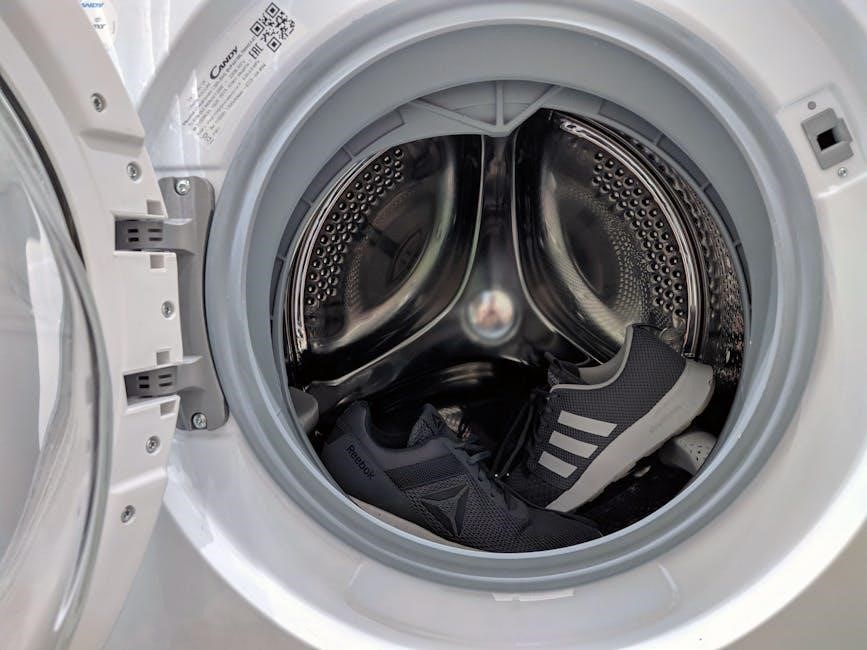
Run a hot wash cycle, ensuring the machine is empty. After the cycle completes, wipe down the inside of the drum with a clean cloth to remove any remaining residue. Leaving the door ajar after cleaning promotes thorough drying and prevents mildew. Consistent drum cleaning prevents detergent buildup, odors, and ensures your laundry remains fresh and clean.
Filter Cleaning Procedures
Regularly cleaning the filter of your Bosch Classixx washing machine is crucial for optimal performance and preventing drainage issues. Locate the filter access panel, typically at the bottom front of the machine. Before opening, place a shallow container and towels to catch any residual water. Carefully unscrew and remove the filter cap – it may contain water, so be prepared!
Remove any lint, debris, coins, or other objects trapped within the filter. Rinse the filter thoroughly under running water, ensuring all obstructions are cleared. Inspect the filter housing for any remaining debris and clean as needed. Reinstall the filter cap securely, ensuring a tight seal to prevent leaks. Check the filter at least every three months, or more frequently with heavy use, to maintain efficient operation.
Troubleshooting Common Issues
Encountering problems with your Bosch Classixx? Start by checking the power supply and ensuring the door is securely closed. If the machine doesn’t start, consult the error code section for specific diagnostics. For drainage issues, verify the drain hose isn’t kinked or blocked, and the filter is clean. Persistent problems may indicate a clogged filter or pump.
If clothes are still wet after the cycle, ensure you haven’t overloaded the machine and the spin cycle is functioning correctly. Unusual noises often point to foreign objects in the drum or a potential mechanical fault. Before attempting any repairs yourself, always disconnect the power supply. Refer to the error code list or contact Bosch support for assistance with complex issues. Remember safety first!
Error Codes and Their Meanings
Decoding error messages is crucial for diagnosing issues with your Bosch Classixx. A flashing light or specific code on the display indicates a problem requiring attention. For example, “E11” often signals a water intake issue – check the water supply and inlet hose. “E22” typically indicates a drainage problem; inspect the drain hose and filter for obstructions.
Code “E09” suggests an imbalance during the spin cycle, requiring redistribution of the laundry. Other codes may relate to the heating element, motor, or internal sensors. Consult the complete error code list in this manual for a detailed explanation of each code and recommended solutions. If an error persists after attempting troubleshooting, contact Bosch customer support for professional assistance. Ignoring error codes can lead to further damage.
Water Inlet and Drainage Problems
Addressing water supply issues is vital for proper operation. If your Bosch Classixx isn’t filling, verify the water taps are fully open and the inlet hose isn’t kinked or blocked. Check the water pressure; insufficient pressure can hinder filling. For drainage problems, ensure the drain hose isn’t clogged or positioned too high, restricting outflow.
A common issue is lint or small objects obstructing the drain pump filter – regular cleaning is essential. Inspect the drain hose for bends or blockages. If the machine still fails to drain, the drain pump itself may be faulty, requiring professional repair. Always disconnect the power before inspecting or cleaning any water-related components. Persistent issues necessitate contacting Bosch support for diagnosis and repair.
Repair and Service Information
Attempting complex repairs on your Bosch Classixx washing machine without proper training can be hazardous and void the warranty. For issues beyond basic troubleshooting – like internal component failures or persistent error codes – professional service is recommended. Bosch maintains a network of authorized service technicians equipped to diagnose and repair your appliance safely and effectively.
To locate a service center, consult the Bosch website or contact their customer support line. When requesting service, have your model number and a detailed description of the problem readily available. Genuine Bosch spare parts should always be used to ensure compatibility and maintain the appliance’s performance. Unauthorized repairs may compromise safety and reliability. Prioritize professional assistance for lasting solutions.
Bosch Classixx: Technical Specifications
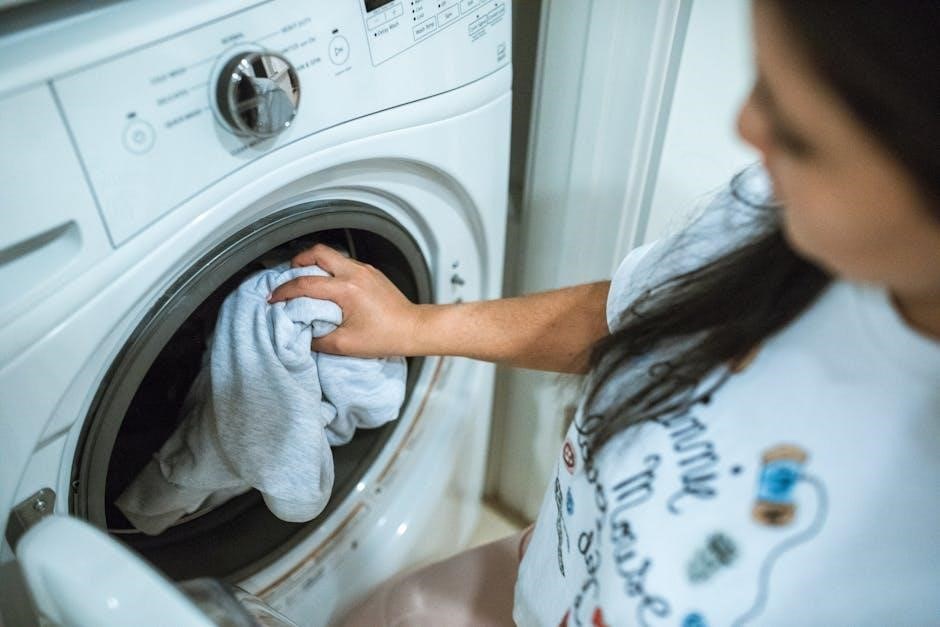
The Bosch Classixx washing machine series encompasses a range of models, each with specific technical details. Generally, these machines boast a maximum spin speed reaching up to 1200 or 1400 RPM, influencing the dryness level of washed clothes. Energy efficiency is a key feature, often achieving an A+++ rating, minimizing power consumption. Drum capacity typically varies between 5 to 9 kilograms, accommodating different laundry loads.
Dimensions vary slightly between models, but generally fall within standard washing machine sizes. Voltage requirements are usually 220-240V, and frequency is 50Hz. Water pressure recommendations are typically between 10 and 95 psi. Specific models may include features like ActiveWater Plus for optimized water usage, or EcoSilence Drive for quiet operation. Refer to your specific model’s documentation for precise specifications.
Contacting Bosch Support
For assistance with your Bosch Classixx washing machine, several support channels are available. The official Bosch website ([https://www.bosch-home.com/](https://www.bosch-home.com/)) provides a comprehensive FAQ section, troubleshooting guides, and downloadable manuals. You can also access their online support portal for personalized assistance via chat or email. Alternatively, you can contact Bosch’s customer service hotline; numbers vary by region, so check the website for your local contact details.
When contacting support, have your model number and serial number readily available – these are usually found on a sticker located on the machine’s rear or inside the door. Be prepared to describe the issue in detail, including any error codes displayed. Bosch also offers service appointments with qualified technicians for in-home repairs. Ensure you have proof of purchase for warranty claims. Their dedicated team is committed to resolving your concerns efficiently.