

CTS Buyer’s Guide: A Comprehensive Overview (2026)
Navigating the Cadillac CTS landscape requires informed decisions‚ especially concerning administration and tech integration within Google Workspace environments.
This guide assists CTS owners‚
particularly those leveraging Google tools for vehicle management and documentation‚ ensuring a seamless ownership experience.
Understanding the Cadillac CTS
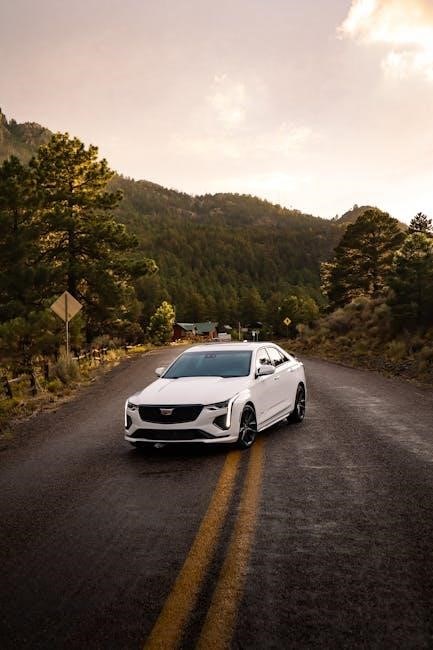
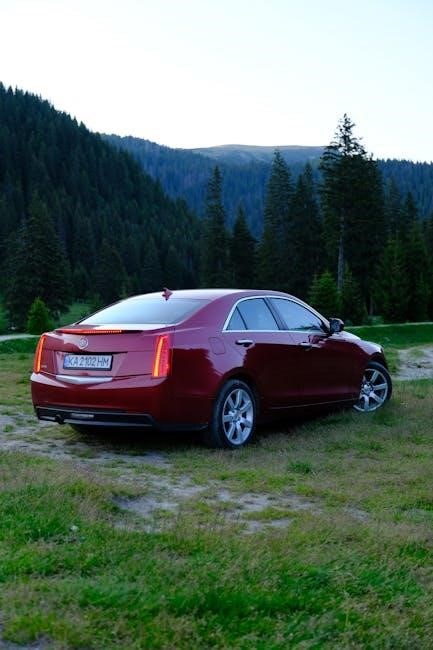
The Cadillac CTS‚ a rear-wheel-drive luxury sedan‚ offered a compelling blend of performance‚ comfort‚ and technology throughout its production run (2003-2019). Initially positioned to rival BMW’s 3 Series‚ the CTS evolved through three distinct generations‚ each building upon the previous one’s strengths. Understanding these generations is crucial for prospective buyers.
The first generation (2003-2007) established the CTS as a stylish alternative in the entry-level luxury segment. The second generation (2008-2013) significantly improved interior quality and driving dynamics. However‚ it was the third generation (2014-2019) that truly elevated the CTS‚ offering a more refined experience and introducing the high-performance CTS-V variant.
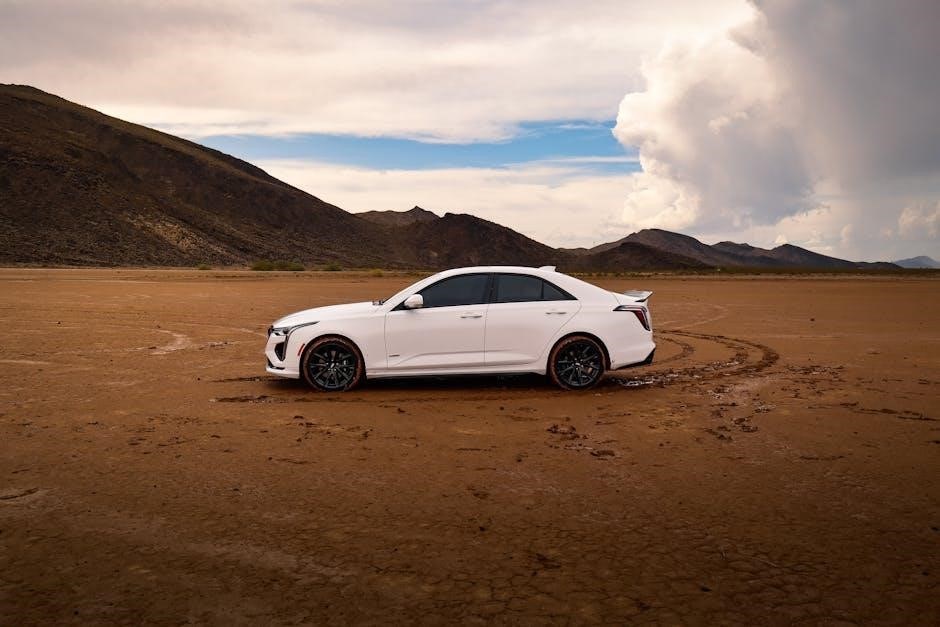
For those considering a CTS-V‚ recognizing its unique positioning is key. The CTS-V represents the pinnacle of Cadillac performance‚ boasting a supercharged engine and track-tuned suspension. This guide will focus on providing insights relevant to all CTS models‚ with specific attention given to the nuances of the CTS-V‚ aiding informed purchasing decisions.
CTS Generations: A Historical Perspective
The Cadillac CTS journey began in 2003 as a bold attempt to redefine Cadillac’s image‚ challenging established European luxury brands. The first generation (2003-2007) showcased distinctive styling but faced criticism for interior refinement. The 2008 redesign marked a turning point‚ introducing a more sophisticated interior and improved ride quality – a significant leap forward.
The third generation (2014-2019) represented the CTS’s most mature form‚ boasting a lighter‚ more rigid chassis and a luxurious cabin. Crucially‚ this generation saw the introduction of the third-generation CTS-V‚ a true performance flagship with a supercharged 6.2L V8.
Understanding this evolution is vital for buyers. Early models offer affordability‚ while later generations provide enhanced features and refinement. The CTS-V‚ across all generations‚ consistently delivered exhilarating performance. Recognizing the specific improvements within each generation allows prospective owners to align their purchase with their priorities and budget‚ especially when considering the high-performance V variants.
Key Features and Specifications Across Generations
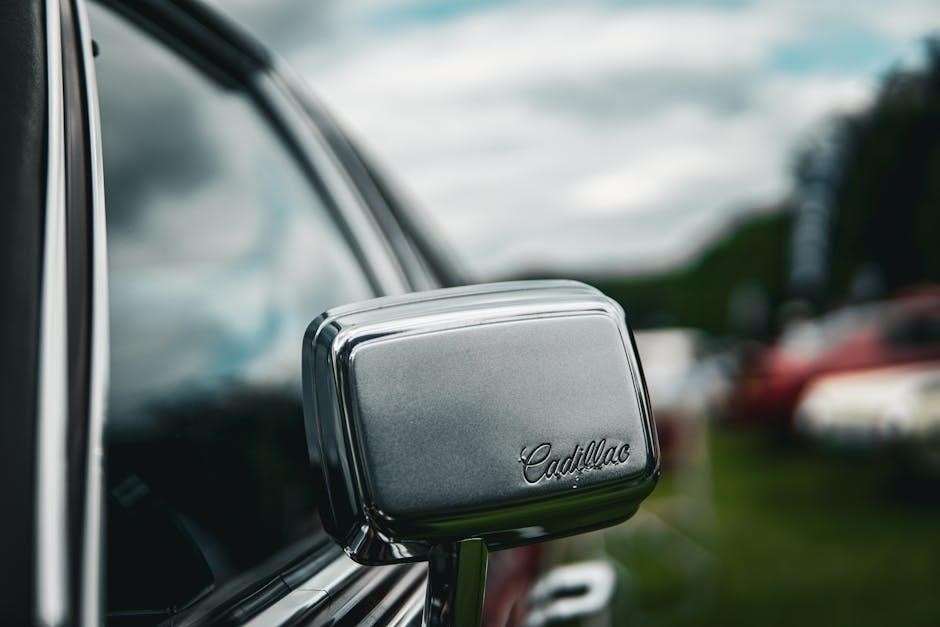
The Cadillac CTS‚ throughout its production run‚ offered a diverse range of features. Early models (2003-2007) typically included leather upholstery‚ dual-zone climate control‚ and a Bose sound system. Later CTS iterations (2008-2013) added features like Cadillac’s CUE infotainment system and advanced safety technologies.
The third generation (2014-2019) showcased a significant upgrade in technology‚ including Apple CarPlay and Android Auto integration. Engine options varied‚ ranging from a 2.0L turbocharged four-cylinder to a 3;6L V6. However‚ the CTS-V consistently stood out.
CTS-V models featured high-performance Brembo brakes‚ Magnetic Ride Control suspension‚ and uniquely styled exterior elements. The third-generation CTS-V boasted a supercharged 6.2L V8 producing 640 horsepower. Understanding these generational differences in features and specifications is crucial for informed buying decisions‚ particularly when prioritizing performance or technology.
Performance and Handling
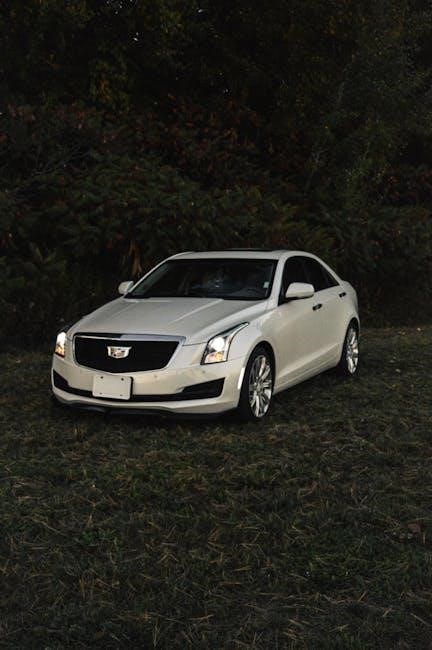
CTS-V models deliver exhilarating performance through powerful engine options and sophisticated suspension systems. Magnetic Ride Control and Brembo brakes enhance handling‚ providing a dynamic driving experience.
Engine Options and Performance Metrics
The Cadillac CTS-V historically offered a range of potent engine choices‚ with the supercharged 6.2L V8 being the hallmark of the “V” series. This engine consistently delivered impressive horsepower and torque figures‚ typically exceeding 640 hp and 650 lb-ft of torque‚ enabling blistering acceleration.
Earlier CTS-V generations featured naturally aspirated 6.0L V8s‚ providing substantial power‚ though less than the supercharged variant. Performance metrics varied by year‚ but generally‚ the supercharged CTS-V could achieve 0-60 mph times in the mid-3-second range.
Transmission choices typically included an eight-speed automatic‚ optimized for both performance and efficiency. Fuel economy‚ while not a priority for performance enthusiasts‚ generally fell within the range of 16-20 mpg combined. Understanding these performance metrics is crucial when evaluating different CTS-V model years and configurations.
Transmission Choices and Driving Experience
The Cadillac CTS-V predominantly featured an eight-speed automatic transmission‚ meticulously calibrated to complement the vehicle’s high-performance engine. While a manual transmission was a frequently requested option‚ Cadillac never officially offered one for the CTS-V‚ focusing instead on maximizing acceleration and responsiveness with the automatic.
The driving experience in a CTS-V is characterized by its blend of luxury and raw power. Paddle shifters provide drivers with manual control‚ allowing for precise gear selection during spirited driving. The transmission’s quick and smooth shifts contribute to the car’s impressive track capabilities.
In everyday driving‚ the transmission offers a comfortable and refined experience. Sport mode enhances responsiveness‚ while touring mode prioritizes fuel efficiency. Overall‚ the CTS-V delivers a dynamic and engaging driving experience suitable for both daily commutes and high-performance pursuits.
Suspension and Handling Characteristics
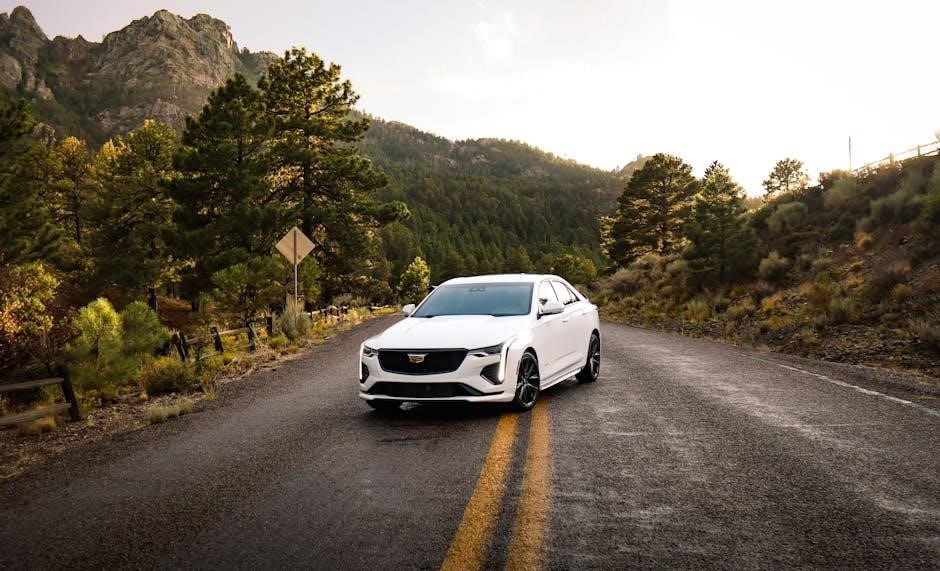
The Cadillac CTS-V boasts a sophisticated suspension system engineered for exceptional handling and ride quality. Featuring Magnetic Ride Control‚ the suspension dynamically adjusts damping rates in response to road conditions and driver input‚ providing a remarkably smooth yet controlled ride. This technology minimizes body roll during cornering and maximizes tire contact for enhanced grip.
The CTS-V’s chassis is meticulously tuned to deliver precise steering and balanced handling. Stiffer springs and larger stabilizer bars further contribute to its cornering prowess. Brembo brakes‚ standard on the CTS-V‚ provide powerful and consistent stopping performance‚ essential for high-speed driving.
Drivers can expect a confident and engaging driving experience‚ whether navigating winding roads or cruising on the highway. The suspension effectively isolates occupants from road imperfections while maintaining a firm and responsive feel. It’s a system designed for both comfort and performance.
Interior and Technology
The CTS-V’s cabin blends luxury with driver-focused technology. Expect premium materials‚ supportive seats‚ and an intuitive infotainment system‚ enhancing the driving experience for all occupants.
Interior Design and Comfort Levels
The Cadillac CTS-V prioritizes a blend of sporty aesthetics and luxurious comfort. Interior design varies slightly across generations‚ but generally features high-quality materials like leather‚ wood‚ and aluminum trim. Early models offer a more traditional Cadillac feel‚ while later iterations embrace a more modern and driver-centric layout.
Front seats are typically well-bolstered and supportive‚ ideal for spirited driving‚ and often include available heating and ventilation features. Rear seat space is adequate for adults on shorter journeys‚ though it’s not as spacious as some competitors. Noise insulation is generally good‚ contributing to a refined cabin experience.
Comfort levels are enhanced by available features such as multi-adjustable seats‚ dual-zone climate control‚ and a premium sound system. The CTS-V aims to provide a comfortable and engaging environment for both driver and passengers‚ balancing performance with everyday usability. Attention to detail and build quality are generally commendable‚ creating a sense of occasion within the cabin.
Infotainment System and Technology Features
Cadillac CTS-V models evolved significantly in their infotainment offerings across generations. Earlier versions featured a relatively basic system‚ while later models incorporated Cadillac’s CUE (Cadillac User Experience) infotainment system. CUE offered a large touchscreen display‚ smartphone integration (Apple CarPlay and Android Auto became available in later years)‚ and voice control functionality.
Technology features expanded over time to include navigation‚ a premium Bose sound system‚ Bluetooth connectivity‚ and USB ports. Some models also offered features like a head-up display and rear-seat entertainment systems. Integration with Google Workspace‚ while not native‚ can be achieved through smartphone mirroring and cloud storage solutions for vehicle documentation.
While CUE was innovative for its time‚ it sometimes received criticism for its complexity and occasional lag. However‚ it provided a comprehensive suite of features for entertainment and connectivity. Later CTS-V models benefited from software updates and improvements to address these concerns‚ enhancing the overall user experience.
Safety Features and Driver-Assistance Technologies
The Cadillac CTS-V prioritized safety‚ incorporating a range of features that evolved with each generation. Standard safety equipment typically included anti-lock brakes‚ stability control‚ traction control‚ and a comprehensive airbag system. Later models benefited from advanced driver-assistance technologies designed to enhance safety and convenience;
Available features included lane departure warning‚ lane keeping assist‚ blind-spot monitoring‚ rear cross-traffic alert‚ and forward collision alert with automatic emergency braking. Adaptive cruise control was also offered on some trims‚ providing a more relaxed driving experience on long journeys. These systems contribute to a safer driving environment.
While not directly integrated with Google Workspace‚ data from these systems (e.g.‚ driving habits) could be logged and stored using Google Drive for analysis or insurance purposes. The CTS-V’s robust safety features‚ combined with responsible driving practices‚ contribute to a secure and enjoyable ownership experience.

Buying Considerations
Potential CTS-V buyers should carefully assess reliability concerns and common issues. Thorough inspections and vehicle history reports are crucial‚ alongside evaluating market value trends in 2026.
Common Issues and Reliability Concerns
Cadillac CTS-V models‚ while offering exhilarating performance‚ aren’t without potential drawbacks. Prospective buyers should be aware of several recurring issues across different generations. Early models (2009-2014) sometimes exhibit differential problems‚ requiring costly repairs. Magnetic Ride Control dampers can also fail‚ impacting ride quality and handling.
Later CTS-V iterations (2016+) generally demonstrate improved reliability‚ but still require diligent inspection. Oil consumption has been reported in some instances‚ necessitating regular monitoring. Furthermore‚ the complex infotainment system can experience glitches or failures. Checking for proper maintenance records is paramount‚ as neglected vehicles are more prone to issues.
Pre-purchase inspections by a qualified mechanic specializing in Cadillac vehicles are highly recommended. Focus on checking for coolant leaks‚ unusual noises from the engine or transmission‚ and proper operation of all electronic systems. Addressing these concerns proactively can prevent significant expenses down the line and ensure a satisfying ownership experience.
Market Value and Pricing Trends (2026)
As of late April 2026‚ the Cadillac CTS-V market exhibits a dynamic pricing landscape influenced by model year‚ mileage‚ condition‚ and trim level. First-generation (2009-2014) CTS-Vs typically range from $25‚000 to $45‚000‚ depending on condition and options. The highly sought-after second-generation (2016+) models command a premium‚ generally falling between $50‚000 and $80‚000.
Low-mileage‚ meticulously maintained examples with complete service histories often exceed these ranges‚ particularly for limited-edition variants. Demand for well-preserved CTS-Vs remains strong among enthusiasts‚ contributing to stable or slightly increasing values. However‚ vehicles with documented issues or high mileage will naturally be priced lower.
Online valuation tools and auction sites provide valuable data points‚ but a thorough market analysis is crucial. Considering current economic conditions and fuel prices can also influence pricing trends. Expect a slight premium for cars located in regions with harsh winters‚ due to potential corrosion concerns.
Finding a Used CTS: Where to Look
Locating a used Cadillac CTS-V requires a multi-faceted approach‚ leveraging both online and offline resources. Major online automotive marketplaces like AutoTrader‚ Cars.com‚ and CarGurus consistently list CTS-V models nationwide‚ offering robust search filters and vehicle history reports.
Specialty classic and performance car websites‚ such as Hemmings and Bring a Trailer‚ often feature well-maintained examples‚ potentially attracting discerning sellers. Local dealerships specializing in used luxury vehicles can also be fruitful‚ though inventory may be limited.
Don’t overlook enthusiast forums and online communities dedicated to the Cadillac CTS-V. These platforms frequently host classified sections where owners directly sell their vehicles‚ often providing detailed maintenance records and personal insights. Attending local car shows and auctions can also uncover hidden gems. Thoroughly inspect any potential purchase and obtain a pre-purchase inspection from a qualified mechanic.

Google Workspace Integration for CTS Owners (Relevant to Admin/Tech Savvy Buyers)
Leverage Google Workspace for streamlined CTS-V ownership! Utilize Drive for documentation‚ Calendar for service reminders‚ and collaborative tools for efficient vehicle management.
Utilizing Google Workspace for Vehicle Maintenance Records
Centralizing your Cadillac CTS-V’s maintenance history within Google Workspace offers unparalleled organization and accessibility. Google Drive becomes your digital garage‚ storing invoices‚ repair orders‚ and service records as PDFs or scanned documents. Create a dedicated folder structure – perhaps by year or service type – for easy retrieval.
Furthermore‚ Google Sheets can be employed to build a detailed maintenance log. Track dates‚ mileage‚ services performed‚ costs‚ and even notes about the mechanic or specific issues addressed. This spreadsheet can be shared with trusted mechanics or potential buyers‚ providing a transparent service history.
For proactive maintenance‚ integrate Google Calendar with your service schedule. Set reminders for oil changes‚ tire rotations‚ and other routine maintenance tasks. Utilize the description field to include relevant details like the service provider’s contact information and the specific services required. This ensures you never miss a crucial maintenance interval‚ preserving your CTS-V’s performance and value.
Google Drive for Storing Vehicle Documentation
Leveraging Google Drive provides a secure and readily accessible repository for all your Cadillac CTS-V’s essential documentation. Beyond maintenance records‚ store your vehicle’s title‚ registration‚ insurance policies‚ and warranty information within dedicated folders. Scanning physical documents and uploading them as PDFs ensures digital preservation and eliminates the risk of loss or damage.
Utilize Google Drive’s sharing capabilities to grant access to trusted individuals‚ such as family members or your mechanic‚ when necessary. Control access levels – view-only or edit – to maintain data security. Consider creating a master document outlining key vehicle information‚ including the VIN‚ engine specifications‚ and any modifications made.
Regularly back up your Google Drive data to an external hard drive or another cloud storage service for added redundancy. This safeguards against unforeseen data loss and ensures you always have access to your critical vehicle documentation‚ simplifying ownership and potential resale processes.
Google Calendar for Service Reminders
Proactive maintenance is crucial for a high-performance vehicle like the Cadillac CTS-V. Google Calendar offers a simple yet effective solution for scheduling and receiving reminders for all service intervals. Input routine maintenance tasks – oil changes‚ tire rotations‚ brake inspections – as recurring events‚ setting reminders well in advance.

Customize reminders to suit your preferences; choose pop-up notifications‚ email alerts‚ or both. Include detailed notes within each event‚ specifying the service required‚ the preferred service provider‚ and any relevant vehicle history. Share your calendar with your mechanic for streamlined appointment scheduling and service coordination.
Beyond routine maintenance‚ utilize Google Calendar to track warranty expiration dates and schedule pre-emptive inspections. This ensures you remain compliant with warranty terms and addresses potential issues before they escalate‚ preserving your CTS-V’s performance and value.